SysInfo is an application for Motorola 680x0 based Classic Amiga and is used for getting information about the system like OS and library versions, hardware revisions and stuff.
Exactly 19 years after version 3.24 of SysInfo it's time for an update! The original author Nic Wilson has kindly given me permission to continue the maintenance of this old classic.
A
If you want information when new versions of SysInfo is available, please subscribe here.
Download latest Beta or Release Candidate here, please report bugs and feature requests:
The benchmark results provided by SysInfo is currently not verified on M68060 Amigas and useless in emulators set up to emulate faster than early classic amigas!
Two reports of 1 MB ECS Agnus (NTSC 8372A) identified as a 2 MB Agnus.
When using tools to rearrange windows, "dialogs" can be put behind the main window.
In WinUAE, when enabling "Fast as possible" & JIT it craches after Speed test when scrolling the libraries list.
I want more bug reports! Mail it to SysInfo (at) d0.se or use the contact form.
Changed handling of speed numbers, if big, don't print decimals
Replaced "Chip Speed vs A600" algoritm to use a lot less instructions and a lot more CHIP mem accesses resulting in a more relevant value. This results in significantly lower value for machines with instruction cache (68020+), which is more accurate because instruction cache should not affect CHIPMEM access speed.
Added support for AC68080 frequenc support
Update will no longer try to open 68040/68060.library when there is no such CPU
Bugfix: 68040/68060 non FPU guru fixed, again!
Lots of updates/corrections in the SysInfo.guide documentation.
The DRIVES/SCSI function was not 'Close'ing each drive that it 'Open'ed after the function was finished.
Playboytvswingseason3 Hot Online
Playboy TV’s Swing stands out as one of the most unique entries in the reality TV genre. Unlike scripted adult films or trashy reality shows focused solely on screaming matches, Swing attempts to document the genuine lifestyle (swinging) community with a mix of eroticism and psychology. Season 3 is widely considered by fans to be one of the stronger seasons because it balances the "hot" factor with surprisingly deep emotional storylines.
: Couples are placed in a luxury, high-end villa isolated from daily distractions.
The production quality of Playboy TV also plays a significant role in making "Swing" a hot and desirable watch. High-definition cameras and strategic editing create an immersive experience, drawing viewers into the world of the show. The music, lighting, and overall aesthetic contribute to a sensual atmosphere that complements the on-screen action. playboytvswingseason3 hot
Wait, sometimes people use similar terms for different shows. "Swing" could refer to a dating show or a travel show. But combining that with Playboy TV makes me think it's an adult reality show. However, I'm not sure about the third season specifically. Let me think if I have any data on this.
Season 3 reached its peak. Under the velvet-draped lights of a high-end Malibu estate, the air was thick with the scent of expensive perfume and the low hum of anticipation. Playboy TV’s Swing stands out as one of
As we look back on the season, it's clear that "Swing" has become more than just a reality TV show – it's a cultural phenomenon. The show's impact extends beyond the world of reality TV, contributing to a broader conversation about relationships, intimacy, and consent.
What made Season 3 highly compelling was the vulnerability of its central cast members. These everyday couples brought genuine relationship stakes to the camera. Baseline Dynamic Core Fantasy / Motivation Married; seeking to reignite long-term marital chemistry : Couples are placed in a luxury, high-end
: Methods for reconciling differences after participating in a shared experiment. Broadcast and Industry Context
A central theme is the necessity of radical honesty. Couples are often depicted navigating the transition from theoretical discussions to real-world experiences, emphasizing the importance of established rules to maintain trust.
The structure of the third season involved placing couples within a specific environment in Southern California to observe their reactions to new social dynamics. Unlike standard reality programming of the time, the series attempted to explore the emotional complexities of its subjects through guided discussions. Key themes addressed during the episodes included:


 APPS
APPS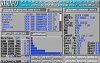
 download